Maltese
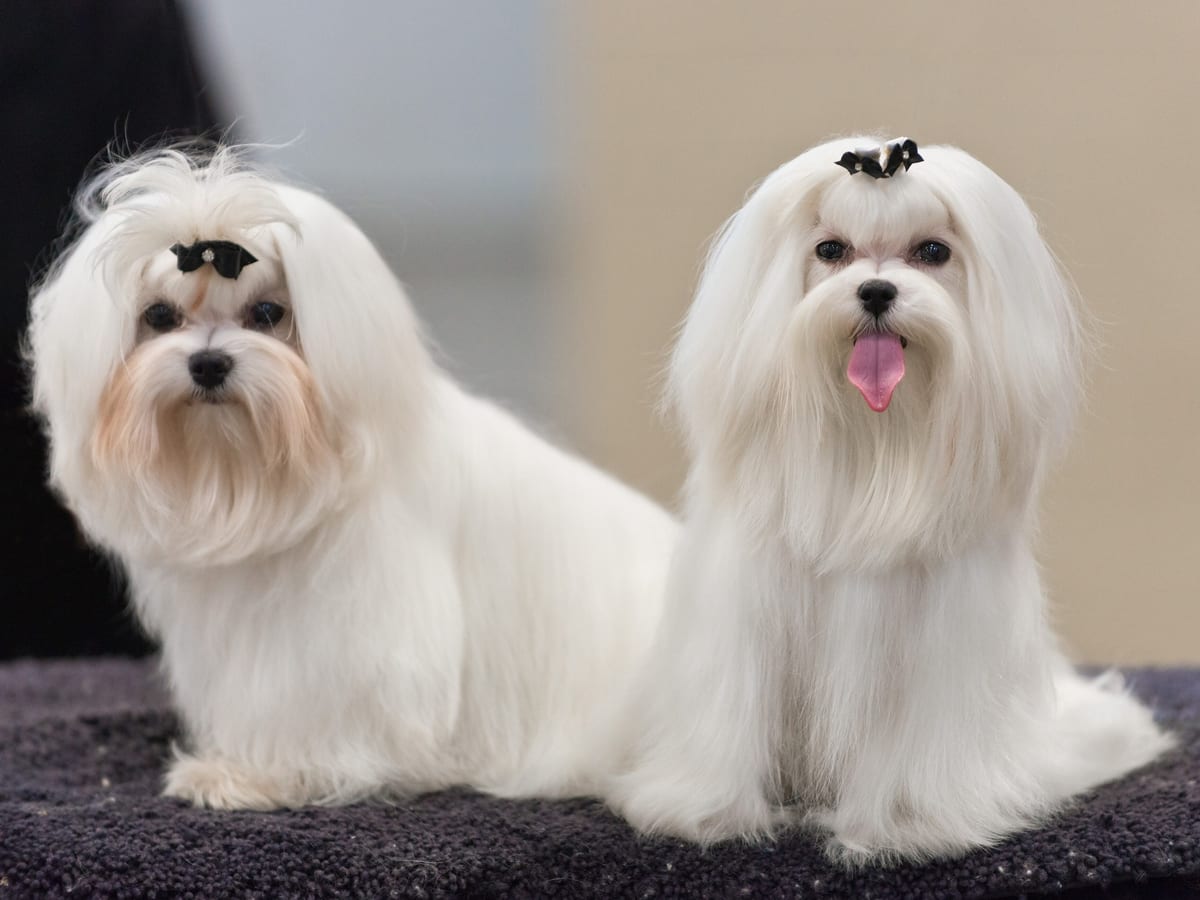
Tiny white companion. Gentle, adaptable. Coat and dental care are the daily commitment. Watch for hypoglycemia.
Coat
long
Size
toy · 4-7 lbs
Life expectancy
12-15 yrs
Activity
low
The breed
Where the Maltese comes from, and what living with one actually asks of you.
About the Maltese
The Maltese is an old Mediterranean toy companion, long associated with Malta and prized for a white, silky coat over a small but lively body. The breed looks delicate, and physically it is, but many Maltese are bold, playful, and surprisingly sturdy in attitude when their daily care is handled well.
Living with a Maltese is mostly about companionship, grooming, teeth, and safe handling. They can fit city apartments or quieter homes, but the coat and mouth need daily attention. Owners who keep a shorter pet trim still need brushing, tear-stain hygiene, dental routines, and protection from rough play or jumping from furniture.
Health management should match the local record: dental disease, patellar luxation, collapsing trachea, progressive retinal atrophy, portosystemic shunt, and hypoglycemia. The American Maltese Association has specific owner education on portosystemic vascular anomalies and microvascular dysplasia. Toy-breed feeding and puppy monitoring matter, but adult portions should be adjusted to body condition rather than treated as a universal calorie number.
Living with a Maltese
Maltese are usually gentle, playful, charming, and affectionate. They can be good with considerate children, but they are often too small for rough handling by very young kids. Many do well with other small dogs, while interactions with large dogs need care.
Training should be upbeat and consistent; small size should not excuse jumping, barking, or separation distress. Many Maltese are alert barkers, and some struggle with alone-time if they are never taught to rest independently.
Daily care
Feeding, exercise, and coat — plus how the routine shifts from puppy to senior.
Feeding a Maltese
Tiny breed. Calorie needs vary with size, age, and activity; dental care and portion control are essential.
Key nutrients
- —dental support
- —omega-3
- —biotin
Portion notes: 2-3 small meals daily. Never skip (hypoglycemia risk).
Exercise & enrichment
Maltese need modest daily exercise plus training. Short walks, indoor play, and trick work usually suit adults, while puppies need meal consistency and safe surfaces. Feed measured meals to body condition, with veterinary guidance for very small puppies or dogs with liver-shunt concerns.
Grooming routine
A full Maltese coat needs daily combing and regular baths; a pet trim lowers but does not erase maintenance. Comb friction areas, keep the face clean and dry, trim nails, protect the eyes from hair irritation, and prioritize dental brushing. Harnesses are preferable to neck pressure for walks.
The Maltese through the years
Maltese puppies need frequent meals when advised, grooming practice, safe handling, crate comfort, and protection from falls. Watch for weakness, tremors, poor appetite, or abnormal behavior.
Adult Maltese need dental care, grooming, measured meals, and monitoring for coughing, knee skipping, eye changes, appetite changes, or signs that could suggest liver or metabolic disease.
Senior Maltese benefit from dental planning, cardiac and eye checks, arthritis support, softer grooming sessions, and careful weight tracking because small changes are meaningful.
Health
What Malteses are prone to, the signs worth catching early, and what supports them.
Health concerns to watch
White silky coat needs daily brushing to prevent matting.
Dental disease is near-universal — daily care from puppyhood.
Hypoglycemia risk; never skip meals.
Common symptoms in Malteses
What to watch for, what causes it, and when to worry.
Coughing →
Dry hacking, wet cough, or gagging — causes range from kennel cough to heart disease to co…
Loss of Appetite →
Skipping meals, refusing treats, or eating much less than normal — often a sign of pain, n…
Shaking & Trembling →
Whole-body shaking, tremors, or trembling legs — can be cold or fear, but pain, toxin expo…
Gear & services
Food, gear, training, and what the first year with a Maltese actually costs.
Fresh food picks for Malteses
Our recommended fresh-food subscriptions for toy dogs.
The Farmer's Dog
Fresh, human-grade food portioned for your dog
- —Human-grade fresh food
- —Portioned per dog
- —Vet-developed recipes
- —50% off first box
Nom Nom
Restaurant-quality fresh food with microbiome testing
- —Pre-portioned pouches
- —Vet-formulated
- —Microbiome testing available
- —50% off first order
Spot & Tango
Fresh or UnKibble — whole-food nutrition, your choice
- —Fresh or UnKibble options
- —Human-grade ingredients
- —Shelf-stable storage option
- —50% off first order
What to budget for a Maltese in year one.
A practical range for routine care and first-year setup. It assumes a dry or mixed diet and mostly at-home care; purchase and adoption fees are excluded.
Practical first-year range
$1,050-$3,250
A typical ongoing year runs $875-$2,225before optional services and unexpected medical care.
Food (year one)
Dry or mixed diet; fresh food can cost more
$350-$750
Gear & supplies (year one)
Crate, bed, harness, bowls, toys
$150-$350
Routine vet + preventatives
Wellness, vaccines, flea/tick and heartworm; no emergencies
$400-$700
Grooming
high needs; DIY to periodic professional help
$50-$600
Training
At-home work to group classes
$0-$400
Optional supplements
Not included in the headline totals
$0-$180
Other first-year
Microchip, license, spay/neuter if needed
$100-$450
Optional pet insurance
Not included above; premiums vary by age, ZIP and coverage.
$450-$1,000/yr
Also not included: fresh-food-only diets, boarding or day care, emergencies, and condition-specific treatment. Breed health risks are planning flags—not guaranteed annual bills.
Size-adjusted U.S. planning ranges, updated July 2026 and benchmarked against Rover's 2026 cost report and Synchrony's 2025 study. Actual costs vary by region and lifestyle.
Gear for Malteses
Breed-size-appropriate picks. Links go to Amazon.
Training for Malteses
Matched to Maltese temperament (gentle, playful, charming).
BAXTER & Bella
Online puppy training program, lifetime access
- —Lifetime membership
- —Self-paced video lessons
- —Puppy + adult content
- —Behavior troubleshooting
GoodPup
1-on-1 virtual dog training with certified trainers
- —1-on-1 live video sessions
- —Certified trainers
- —Custom per-dog plan
- —Weekly structure
Dogo
App-based training with daily structure
- —App-based daily plans
- —AI-guided feedback
- —Affordable monthly cost
- —Trick training library
GPS trackers for Malteses
Size-appropriate picks for tracking, activity monitoring, and escape alerts.
Tractive
Affordable GPS tracker with unlimited range
- —Attaches to any collar
- —Worldwide GPS coverage
- —Activity monitoring
- —Budget-friendly
Curious about their DNA?
Confirm breed mix, check for genetic health risks, and get actionable insights.
Embark
The most comprehensive dog DNA test
- —350+ breeds identified
- —250+ health conditions screened
- —Cornell-partnered science
- —Relatives finder
Wisdom Panel
Breed identification + health screening
- —350+ breeds
- —Genetic health insights
- —Budget-friendly option
- —Fast results
More on the Maltese
Similar-size breeds
Maltese questions, answered.
Are Maltese hypoallergenic?+
Do Maltese need professional grooming?+
What is a portosystemic shunt?+
Why is hypoglycemia mentioned for Maltese puppies?+
What health testing should I ask about?+
How long do Malteses live?+
How big do Malteses get?+
How much exercise does a Maltese need?+
What health problems do Malteses commonly have?+
Are Malteses hard to groom?+
What should I feed a Maltese?+
Are Malteses good for first-time owners?+
Ask Searchbreed about your Maltese
Get personalized answers about food, health, and care.