Samoyed
The smiling sled dog. Stunning white coat, friendly to everyone, heavy groomer. Needs active owners in cool climates.
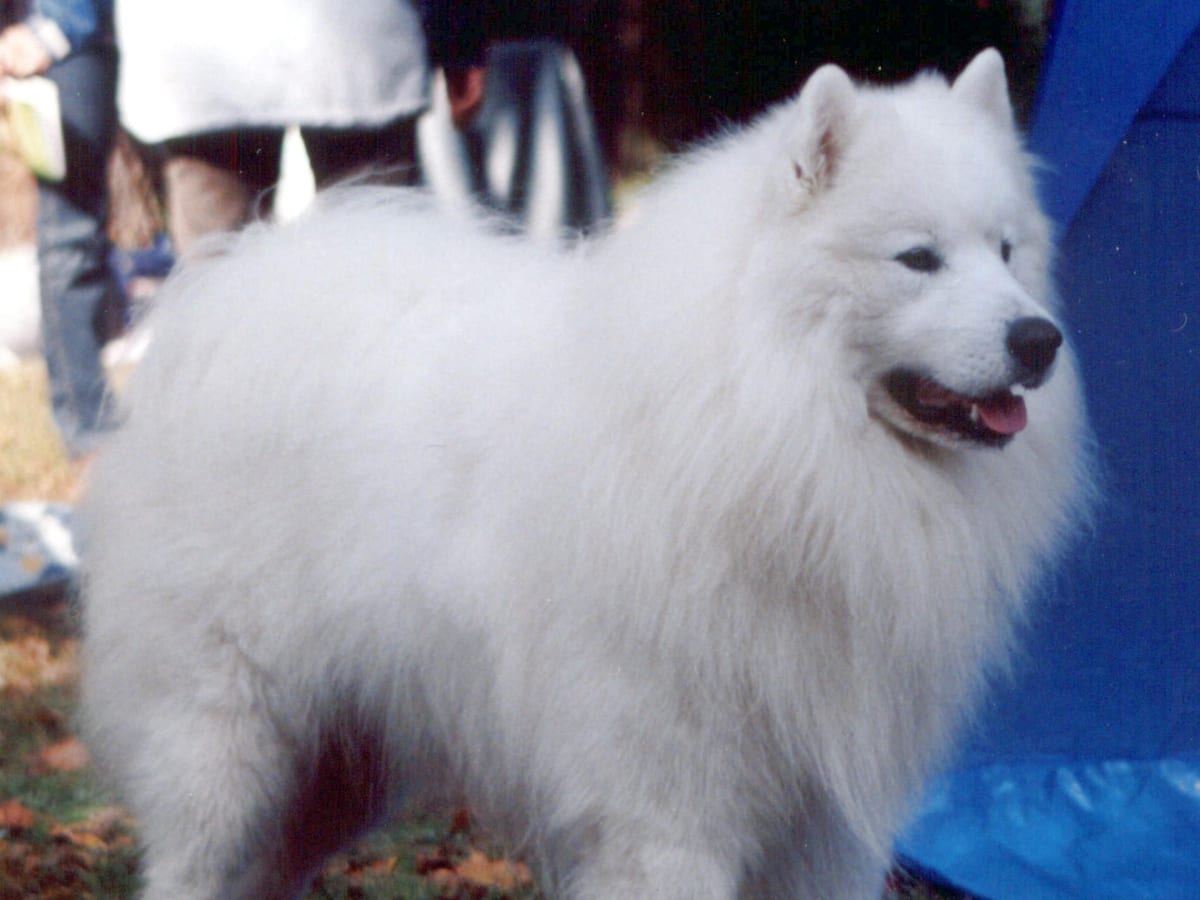
Coat
double
Size
medium · 35-65 lbs
Life expectancy
12-14 yrs
Activity
high
The breed
Where the Samoyed comes from, and what living with one actually asks of you.
About the Samoyed
The Samoyed is an Arctic spitz breed developed by the Samoyedic peoples of Siberia for herding reindeer, pulling sleds, and living close to people in cold conditions. The famous smile is more than a charming expression; it helps reduce drooling that could freeze in harsh weather. The modern Samoyed is social, active, vocal, and heavily coated.
Living with a Samoyed is easiest for owners who enjoy grooming and do not want a guard dog. Many are friendly with people, gentle with family, and playful well into adulthood. They also shed heavily, dig, bark, pull, and overheat in warm weather if exercise and coat care are poorly managed. This is a beautiful working dog, not a decorative white rug.
Health planning should include hips, eyes, thyroid, heart, diabetes, and kidney disease. Local data flags hip dysplasia, PRA, hypothyroidism, diabetes mellitus, Samoyed hereditary glomerulopathy, and pulmonary stenosis. Samoyed health resources discuss diabetes as a breed-relevant risk and hereditary nephritis or Samoyed hereditary glomerulopathy as an X-linked kidney disease. Avoid turning coat advice into nutrition overclaims: omega-3s can support skin and coat health generally, but grooming and veterinary care matter more than supplements.
Living with a Samoyed
Samoyeds are usually friendly, gentle, adaptable, and spirited. They often enjoy children and other dogs, though their energy, vocal nature, and herding or chase play need management. They are not typically aloof guardians, and many greet strangers warmly.
Training should be positive, consistent, and creative; repetition without purpose can bore them. Barking, digging, pulling, and separation frustration are common issues when exercise and companionship are lacking.
Daily care
Feeding, exercise, and coat — plus how the routine shifts from puppy to senior.
Feeding a Samoyed
Arctic working breed. Calorie needs vary with sex, size, and workload; many are efficient eaters. Omega-3s can support skin and coat health generally.
Key nutrients
- —omega-3
- —biotin
- —high-quality protein
Portion notes: Two meals daily. Coat quality reflects diet quality.
Exercise & enrichment
Samoyeds need daily activity and mental work, with heat management. Cool-weather walks, hiking, sled or draft-style work, skijoring foundations, and training suit the breed. Feed to body condition, age, sex, coat season, neuter status, and workload rather than a fixed calorie range.
Grooming routine
The thick double coat needs brushing several times a week and much more during coat blow. Work down to the skin to prevent mats, especially behind ears, pants, tail, belly, and ruff. Do not shave the coat for routine cooling. Use shade, water, timing, undercoat removal, and climate-aware exercise instead.
The Samoyed through the years
Samoyed puppies need grooming practice, crate comfort, leash foundations, socialization, and controlled exercise. Teach quiet and settle cues before barking becomes a household pattern.
Adult Samoyeds need coat work, measured meals, heat-aware exercise, and monitoring for thirst or urination changes, vision changes, thyroid-like signs, lameness, or heart murmurs.
Senior Samoyeds benefit from lower-impact activity, dental care, eye and thyroid monitoring, diabetes awareness, arthritis support, and shorter grooming sessions.
Health
What Samoyeds are prone to, the signs worth catching early, and what supports them.
Health concerns to watch
Iconic white double coat is EXTREMELY high-maintenance — daily brushing, professional grooming.
Needs cool environment; overheats easily despite arctic ancestry.
Diabetes risk is elevated compared to most breeds.
Supplements for Samoyeds
Matched to this breed's common health concerns. All NASC-sealed.
Cosequin (Nutramax)
The #1 vet-recommended joint supplement
- —#1 vet-recommended
- —NASC Quality Seal
- —Glucosamine + chondroitin
- —Clinically studied
Supplements support — they don't treat or cure disease. Talk to your vet for anything clinical.
Gear & services
Food, gear, training, and what the first year with a Samoyed actually costs.
Fresh food picks for Samoyeds
Our recommended fresh-food subscriptions for medium dogs.
The Farmer's Dog
Fresh, human-grade food portioned for your dog
- —Human-grade fresh food
- —Portioned per dog
- —Vet-developed recipes
- —50% off first box
Ollie
Fresh food with both cooked and baked recipes
- —Fresh and baked recipes
- —Turkey, beef, lamb, chicken proteins
- —Custom portions
- —60% off first box
Nom Nom
Restaurant-quality fresh food with microbiome testing
- —Pre-portioned pouches
- —Vet-formulated
- —Microbiome testing available
- —50% off first order
Spot & Tango
Fresh or UnKibble — whole-food nutrition, your choice
- —Fresh or UnKibble options
- —Human-grade ingredients
- —Shelf-stable storage option
- —50% off first order
What to budget for a Samoyed in year one.
A practical range for routine care and first-year setup. It assumes a dry or mixed diet and mostly at-home care; purchase and adoption fees are excluded.
Practical first-year range
$1,475-$4,375
A typical ongoing year runs $1,200-$2,900before optional services and unexpected medical care.
Food (year one)
Dry or mixed diet; fresh food can cost more
$600-$1,300
Gear & supplies (year one)
Crate, bed, harness, bowls, toys
$225-$500
Routine vet + preventatives
Wellness, vaccines, flea/tick and heartworm; no emergencies
$450-$775
Grooming
high needs; DIY to periodic professional help
$50-$600
Training
At-home work to group classes
$0-$600
Optional supplements
Not included in the headline totals
$0-$480
Other first-year
Microchip, license, spay/neuter if needed
$150-$600
Optional pet insurance
Not included above; premiums vary by age, ZIP and coverage.
$550-$1,350/yr
Also not included: fresh-food-only diets, boarding or day care, emergencies, and condition-specific treatment. Breed health risks are planning flags—not guaranteed annual bills.
Size-adjusted U.S. planning ranges, updated July 2026 and benchmarked against Rover's 2026 cost report and Synchrony's 2025 study. Actual costs vary by region and lifestyle.
Gear for Samoyeds
Breed-size-appropriate picks. Links go to Amazon.
Training for Samoyeds
Matched to Samoyed temperament (friendly, gentle, adaptable).
BAXTER & Bella
Online puppy training program, lifetime access
- —Lifetime membership
- —Self-paced video lessons
- —Puppy + adult content
- —Behavior troubleshooting
GoodPup
1-on-1 virtual dog training with certified trainers
- —1-on-1 live video sessions
- —Certified trainers
- —Custom per-dog plan
- —Weekly structure
Dogo
App-based training with daily structure
- —App-based daily plans
- —AI-guided feedback
- —Affordable monthly cost
- —Trick training library
GPS trackers for Samoyeds
Size-appropriate picks for tracking, activity monitoring, and escape alerts.
Fi
Smart collar with GPS + activity tracking
- —Real-time GPS
- —Activity + sleep tracking
- —Escape alerts
- —3-month battery
Tractive
Affordable GPS tracker with unlimited range
- —Attaches to any collar
- —Worldwide GPS coverage
- —Activity monitoring
- —Budget-friendly
Curious about their DNA?
Confirm breed mix, check for genetic health risks, and get actionable insights.
Embark
The most comprehensive dog DNA test
- —350+ breeds identified
- —250+ health conditions screened
- —Cornell-partnered science
- —Relatives finder
Wisdom Panel
Breed identification + health screening
- —350+ breeds
- —Genetic health insights
- —Budget-friendly option
- —Fast results
More on the Samoyed
Compare the Samoyed
Similar-size breeds
Samoyed questions, answered.
Do Samoyeds shed a lot?+
Are Samoyeds good in hot climates?+
Are Samoyeds good guard dogs?+
What is Samoyed hereditary glomerulopathy?+
What health testing should I ask about?+
How long do Samoyeds live?+
How big do Samoyeds get?+
How much exercise does a Samoyed need?+
What health problems do Samoyeds commonly have?+
Are Samoyeds hard to groom?+
What should I feed a Samoyed?+
Are Samoyeds good for first-time owners?+
Ask Searchbreed about your Samoyed
Get personalized answers about food, health, and care.