Shiba Inu
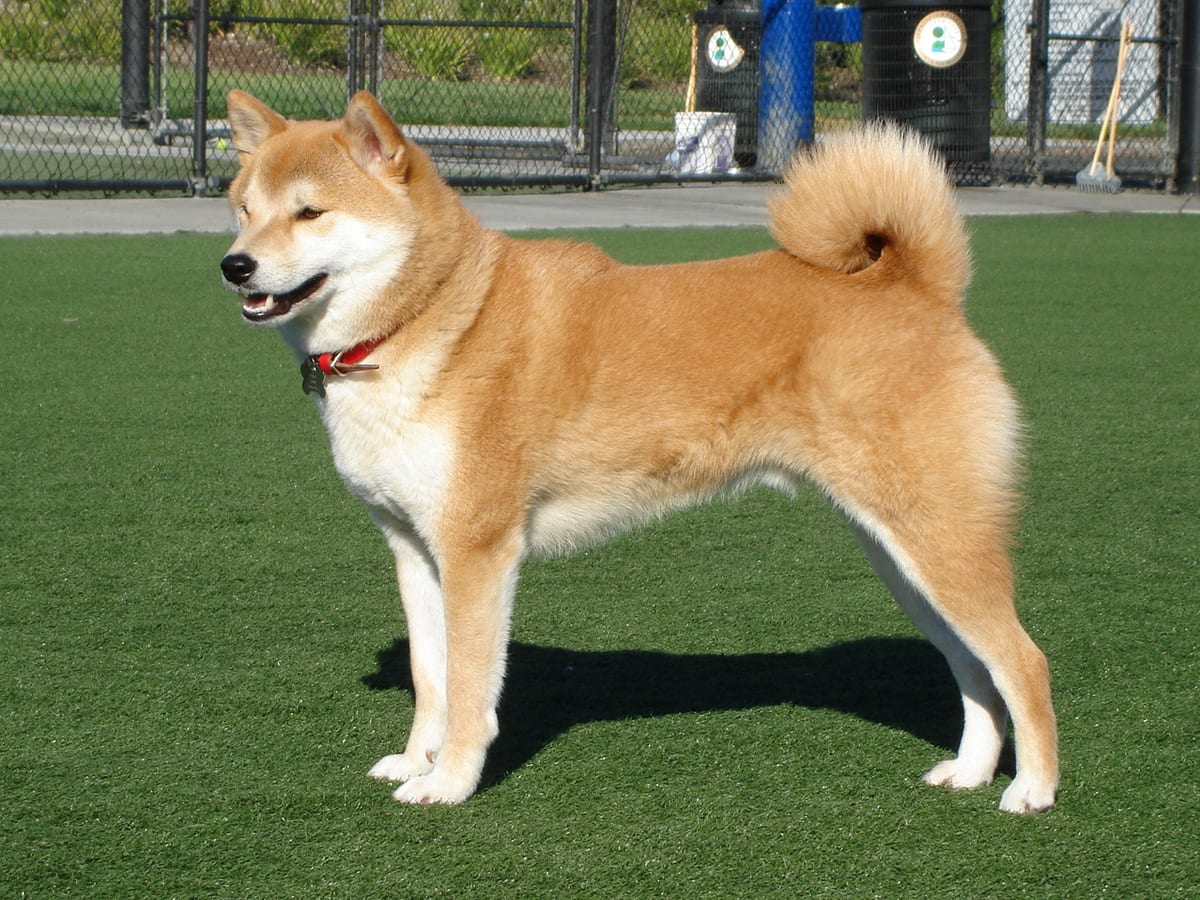
Japanese spitz breed known for fox-like appearance and independent streak. Notoriously prone to skin allergies and seasonal heavy shedding.
Coat
double
Size
small · 17-23 lbs
Life expectancy
13-16 yrs
Activity
moderate
The breed
Where the Shiba Inu comes from, and what living with one actually asks of you.
About the Shiba Inu
The Shiba Inu is the smallest of Japan's native spitz breeds, developed for hunting in mountainous terrain and dense cover. The modern Shiba still carries that history in a compact, agile body, keen expression, clean habits, and strong self-possession. It is not a small Akita or a decorative fox lookalike; it is an independent primitive-type companion.
Living with a Shiba is easiest when owners respect the breed's independence without letting it run the household. Many are affectionate with family but selective about strangers, handling, and other dogs. They are famously clean, often dramatic about restraint, and usually unreliable off leash because prey drive, curiosity, and self-direction can override recall.
Health planning should be specific and skin-aware. Local data flags atopic dermatitis, patellar luxation, hip dysplasia, progressive retinal atrophy, and glaucoma. The National Shiba Club of America discusses patellar luxation, persistent pupillary membranes, glaucoma, and other eye concerns, and Shibas are well known for atopic or environmental skin allergy. Food allergy can occur in individual dogs, but environmental allergy and atopy are the safer default framing.
Living with a Shiba Inu
Shibas are alert, confident, independent, and spirited. They can be loyal and funny with their own people, but many dislike forced affection, rough child handling, or pushy dogs. Same-sex tension and dog selectivity can occur, so dog parks are not a reliable outlet.
Training should be reward-based, consistent, and realistic: a Shiba may understand perfectly and still ask why it should comply. Barking is often moderate, but screaming during nail trims, baths, or restraint is a known breed-owner joke with a real handling lesson behind it.
Daily care
Feeding, exercise, and coat — plus how the routine shifts from puppy to senior.
Feeding a Shiba Inu
Small breed with moderate calorie needs. Portion targets vary with size, age, neuter status, and activity; feed to body-condition score. Known for picky eating and food sensitivities.
Key nutrients
- —omega-3
- —limited ingredients
- —biotin
Watch out for
- ×common allergens for sensitive individuals
Portion notes: Two meals daily. Watch coat quality as a diet indicator.
Exercise & enrichment
Shibas need daily walks, sniffing, play, and training, but they are not usually endurance-demanding dogs. Secure containment is essential because many chase small animals and test boundaries. Feed to body condition; picky eating and skipped meals can happen, but persistent appetite change should still be treated medically.
Grooming routine
The double coat sheds year-round and blows heavily seasonally. Brush weekly most of the year and more during coat blow; do not shave the coat for routine cooling. Check skin for itching, redness, paw chewing, hot spots, ear inflammation, and hair loss. Nail and handling practice should start early.
The Shiba Inu through the years
Shiba puppies need handling practice, calm socialization, recall games, grooming foundations, and careful exposure to other dogs. Teach cooperative care before restraint becomes a fight.
Adult Shibas need secure fencing, leash discipline, skin monitoring, measured meals, and eye and knee awareness. Do not normalize chronic itching or squinting.
Senior Shibas need arthritis support, dental care, eye checks, weight monitoring, and lower-impact enrichment that still lets them sniff, choose, and think.
Health
What Shiba Inus are prone to, the signs worth catching early, and what supports them.
Health concerns to watch
Prone to atopic dermatitis and skin allergies — derm care is a lifelong consideration.
Heavy seasonal shedding (coat blows twice a year); brush daily in shedding season.
Independent eaters — don't stress if they skip meals occasionally.
Common symptoms in Shiba Inus
What to watch for, what causes it, and when to worry.
Is your Shiba Inu scratching?
Shiba Inus are prone to skin and allergy issues. Take our 2-minute itch triage quiz.
Supplements for Shiba Inus
Matched to this breed's common health concerns. All NASC-sealed.
Cosequin (Nutramax)
The #1 vet-recommended joint supplement
- —#1 vet-recommended
- —NASC Quality Seal
- —Glucosamine + chondroitin
- —Clinically studied
Zesty Paws Allergy & Immune
Seasonal allergy + immune support chews
- —NASC Quality Seal
- —Seasonal allergy support
- —Salmon oil for skin
- —Chewable, dogs love them
Supplements support — they don't treat or cure disease. Talk to your vet for anything clinical.
Gear & services
Food, gear, training, and what the first year with a Shiba Inu actually costs.
Fresh food picks for Shiba Inus
Our recommended fresh-food subscriptions for small dogs.
The Farmer's Dog
Fresh, human-grade food portioned for your dog
- —Human-grade fresh food
- —Portioned per dog
- —Vet-developed recipes
- —50% off first box
Ollie
Fresh food with both cooked and baked recipes
- —Fresh and baked recipes
- —Turkey, beef, lamb, chicken proteins
- —Custom portions
- —60% off first box
Nom Nom
Restaurant-quality fresh food with microbiome testing
- —Pre-portioned pouches
- —Vet-formulated
- —Microbiome testing available
- —50% off first order
Spot & Tango
Fresh or UnKibble — whole-food nutrition, your choice
- —Fresh or UnKibble options
- —Human-grade ingredients
- —Shelf-stable storage option
- —50% off first order
What to budget for a Shiba Inu in year one.
A practical range for routine care and first-year setup. It assumes a dry or mixed diet and mostly at-home care; purchase and adoption fees are excluded.
Practical first-year range
$1,200-$3,575
A typical ongoing year runs $1,000-$2,475before optional services and unexpected medical care.
Food (year one)
Dry or mixed diet; fresh food can cost more
$450-$950
Gear & supplies (year one)
Crate, bed, harness, bowls, toys
$175-$400
Routine vet + preventatives
Wellness, vaccines, flea/tick and heartworm; no emergencies
$425-$725
Grooming
high needs; DIY to periodic professional help
$50-$600
Training
At-home work to group classes
$0-$400
Optional supplements
Not included in the headline totals
$0-$720
Other first-year
Microchip, license, spay/neuter if needed
$100-$500
Optional pet insurance
Not included above; premiums vary by age, ZIP and coverage.
$500-$1,150/yr
Also not included: fresh-food-only diets, boarding or day care, emergencies, and condition-specific treatment. Breed health risks are planning flags—not guaranteed annual bills.
Size-adjusted U.S. planning ranges, updated July 2026 and benchmarked against Rover's 2026 cost report and Synchrony's 2025 study. Actual costs vary by region and lifestyle.
Gear for Shiba Inus
Breed-size-appropriate picks. Links go to Amazon.
Training for Shiba Inus
Matched to Shiba Inu temperament (alert, confident, independent).
GoodPup
1-on-1 virtual dog training with certified trainers
- —1-on-1 live video sessions
- —Certified trainers
- —Custom per-dog plan
- —Weekly structure
BAXTER & Bella
Online puppy training program, lifetime access
- —Lifetime membership
- —Self-paced video lessons
- —Puppy + adult content
- —Behavior troubleshooting
Dogo
App-based training with daily structure
- —App-based daily plans
- —AI-guided feedback
- —Affordable monthly cost
- —Trick training library
GPS trackers for Shiba Inus
Size-appropriate picks for tracking, activity monitoring, and escape alerts.
Fi
Smart collar with GPS + activity tracking
- —Real-time GPS
- —Activity + sleep tracking
- —Escape alerts
- —3-month battery
Tractive
Affordable GPS tracker with unlimited range
- —Attaches to any collar
- —Worldwide GPS coverage
- —Activity monitoring
- —Budget-friendly
Curious about their DNA?
Confirm breed mix, check for genetic health risks, and get actionable insights.
Embark
The most comprehensive dog DNA test
- —350+ breeds identified
- —250+ health conditions screened
- —Cornell-partnered science
- —Relatives finder
Wisdom Panel
Breed identification + health screening
- —350+ breeds
- —Genetic health insights
- —Budget-friendly option
- —Fast results
More on the Shiba Inu
Compare the Shiba Inu
Similar-size breeds
Shiba Inu questions, answered.
Can Shibas go off leash?+
Are Shibas good with other dogs?+
Why do Shibas shed so much?+
Are Shibas allergy-prone?+
What health testing should I ask about?+
How long do Shiba Inus live?+
How big do Shiba Inus get?+
How much exercise does a Shiba Inu need?+
What health problems do Shiba Inus commonly have?+
Are Shiba Inus hard to groom?+
What should I feed a Shiba Inu?+
Are Shiba Inus good for first-time owners?+
Ask Searchbreed about your Shiba Inu
Get personalized answers about food, health, and care.